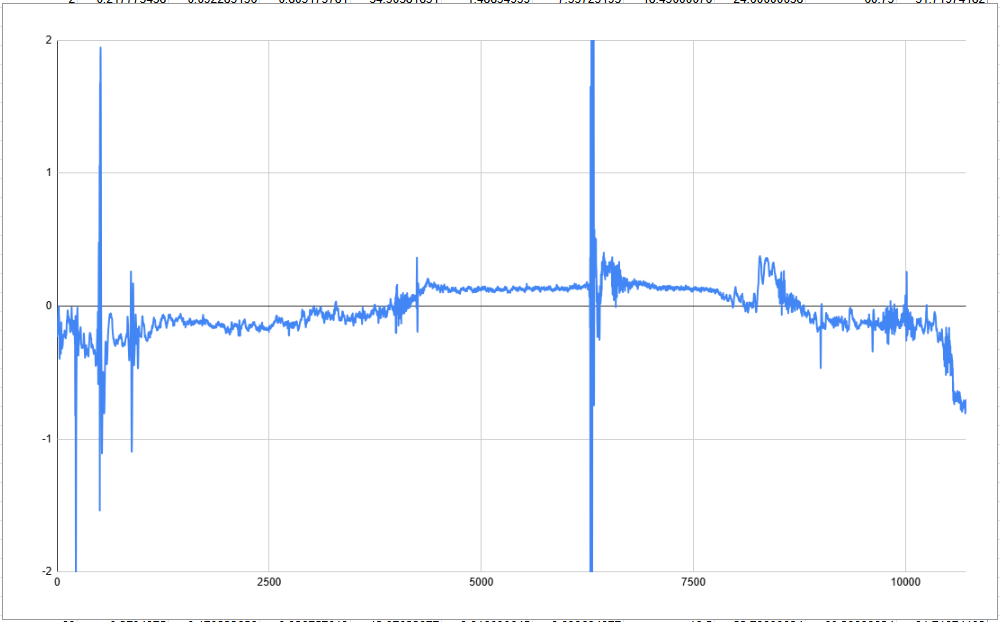
This permanently mounted system ensures uninterrupted connectivity for police and public safety vehicles even in the event of infrastructure failure. Integrated directly into the vehicle roofline, the enclosure houses both cellular and satellite uplinks to maintain secure data backhaul during outages, disasters, or remote deployments. Designed for ruggedness, thermal performance, and low-profile installation, this system adds resilient, redundant communications.
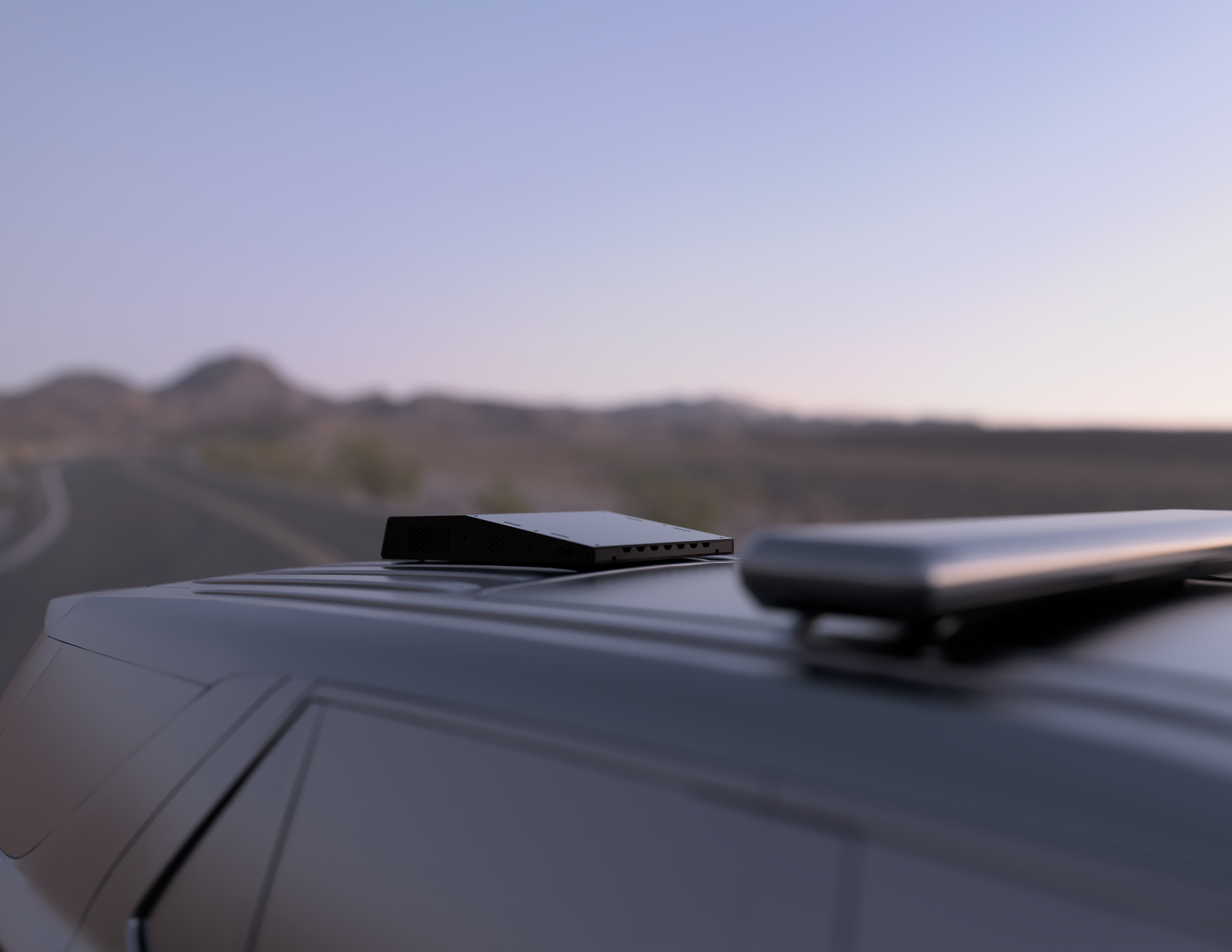
A custom hardware and software platform was developed to allow the Client to control a skid-steer loader manually via a handheld transmitter and run autonomous sequences locally onboard the loader as well as on a remote server. Failsafe control logic was integrated throughout subsystems to ensure operational safety.
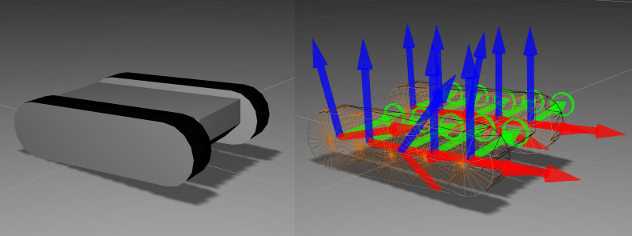
This low-profile sensor mounts directly on every flagstick to capture real-time wind and pin-location data without affecting play. A ultrasonic anemometer and IMU are used to infer wind speed and direction, while an onboard GNSS module geotags each hole. Low-power firmware lets the unit run an entire season on a coin-cell backup, trickle-charged by a micro solar panel. Data hops across a LoRa mesh backhaul to the clubhouse, feeding a pace-of-play and analytics engine so superintendents and golfers always have current conditions at a glance.
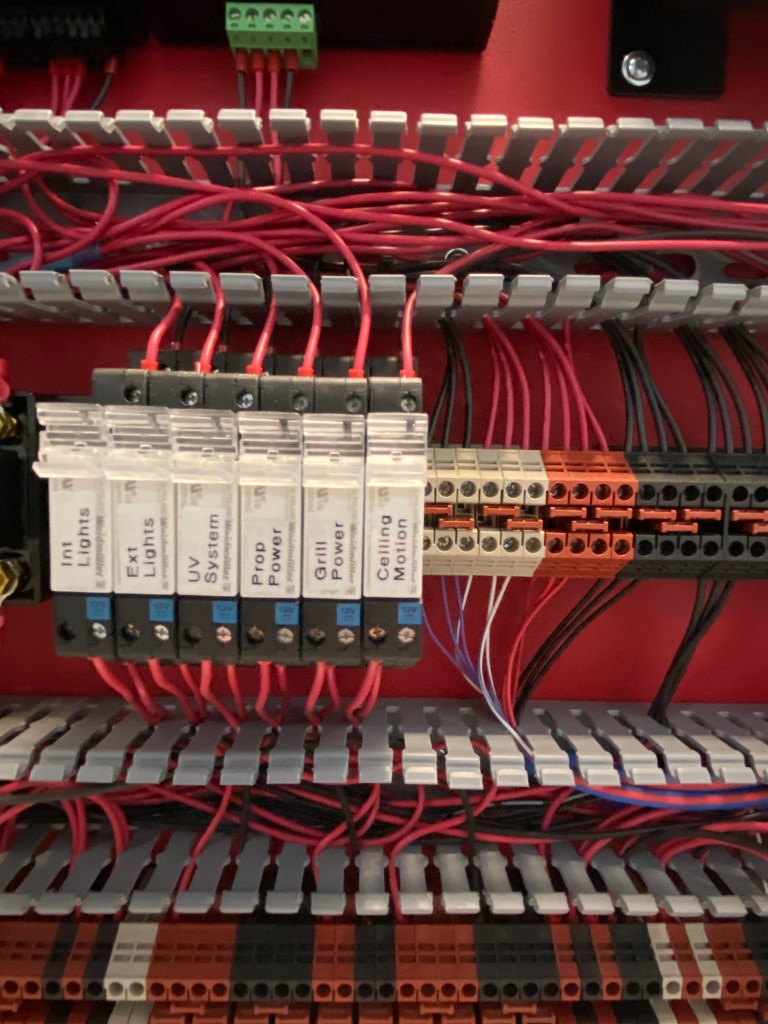
Client control systems were commercial-of-the-shelf controllers interfacing with an unmapped and untraceable network of automotive relays. Points of failure and potential improvements were identified through the existing system and a redesigned system maximizing robustness and simplicity was proposed.
This project introduced a low-power, sunlight-readable E-Ink display system for golf course yardage markers. Each unit was designed to provide players with real-time distance to the pin and localized wind speed/direction—critical for shot planning. The display stack was engineered around partial refresh E-Ink technology, enabling dynamic updates without sacrificing visibility or battery life. The result: an unobtrusive, glanceable interface for enhancing player decision-making without disrupting course aesthetics.

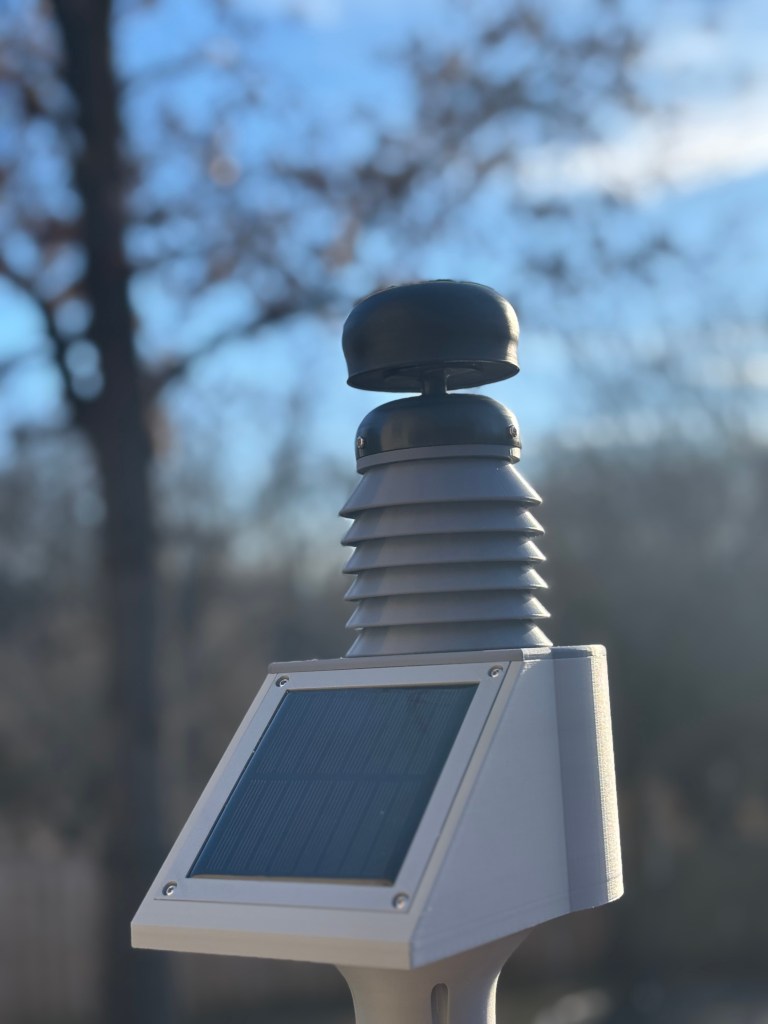
To meet a client’s need for a weather station that could survive extreme cold and operate autonomously in remote, solar-limited locations, we developed a solid-state system with no moving parts and integrated satellite backhaul. Designed for reliability over maintainability, the device is currently deployed in harsh environments with zero field failures.
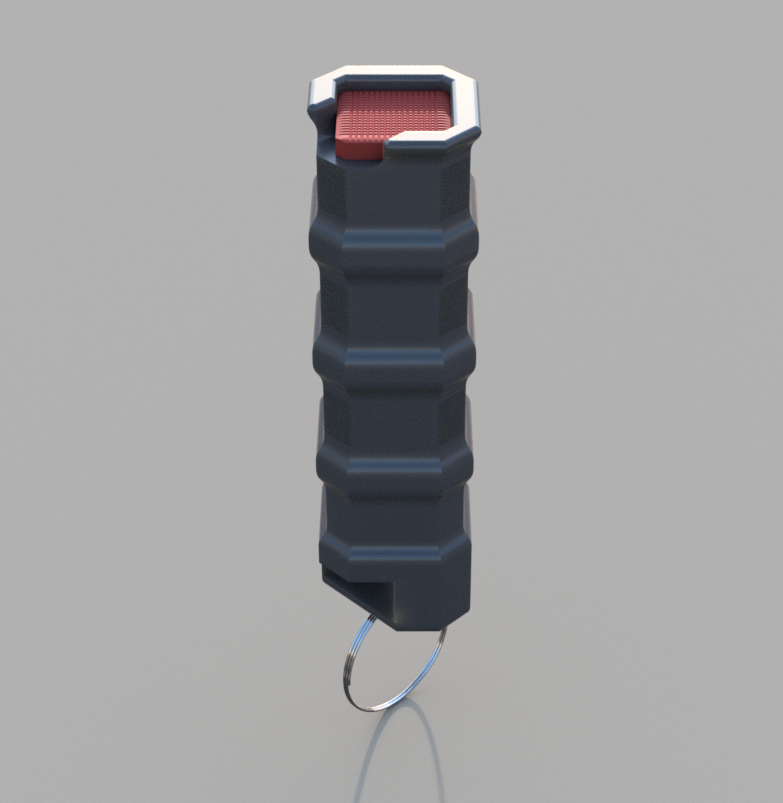
Designed as a modern alternative to campus panic pillars, this proof-of-concept wearable offered immediate, location-aware SOS signaling without relying on a student’s phone or verbal communication. Utilizing satellite connectivity for dispatch alerts, the device was engineered for durability, minimal user interaction, and years-long battery life. By prioritizing simplicity and reliability in high-stress situations, the project garnered investor interest—but was ultimately shelved in favor of a more lucrative opportunity.
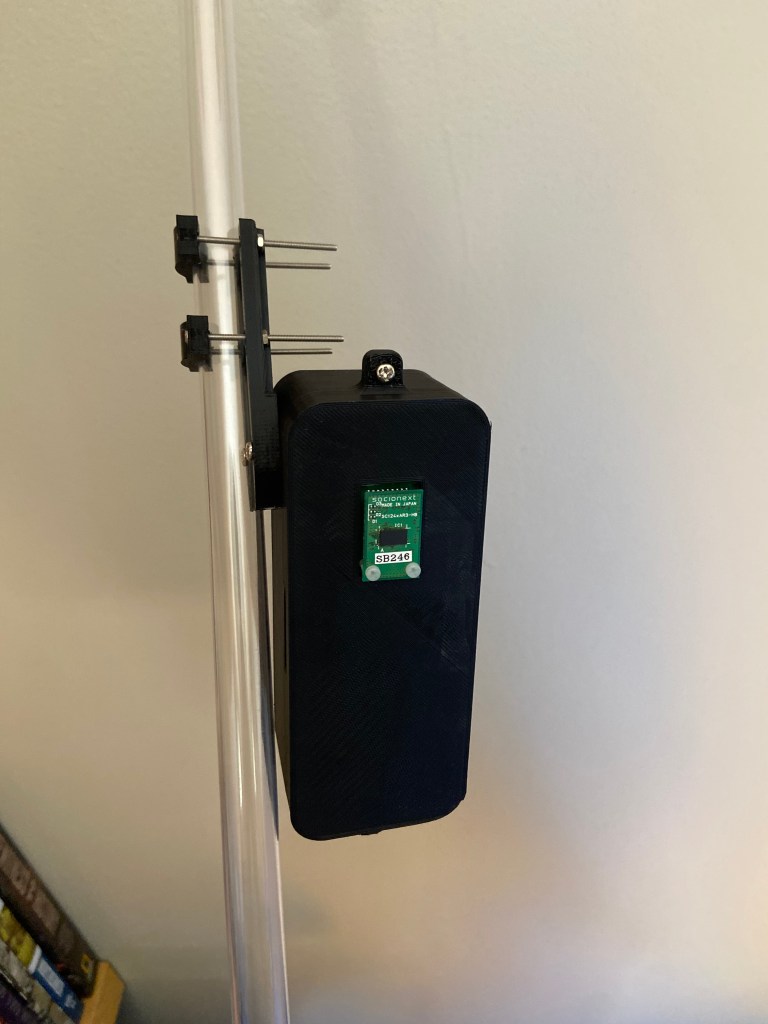
This range-mounted mmWave unit delivers centimeter-grade ball tracking and instant feedback for players and coaches. Clamped to the practice-green flagstick, the prototype leverages a 60 GHz SocioNext radar module with finely tuned CFAR parameters to isolate the low-RCS signature of a golf ball amidst ground clutter. Each strike is geo-tagged relative to the pin and transmitted in real time via a CAT-6/LTE modem to a web-based dashboard, presenting a live scatter-plot of landings and precise distance-to-pin readouts. The system bridges the accuracy gap in the final leg of the ball’s flight—where traditional shot trackers tend to fall short.
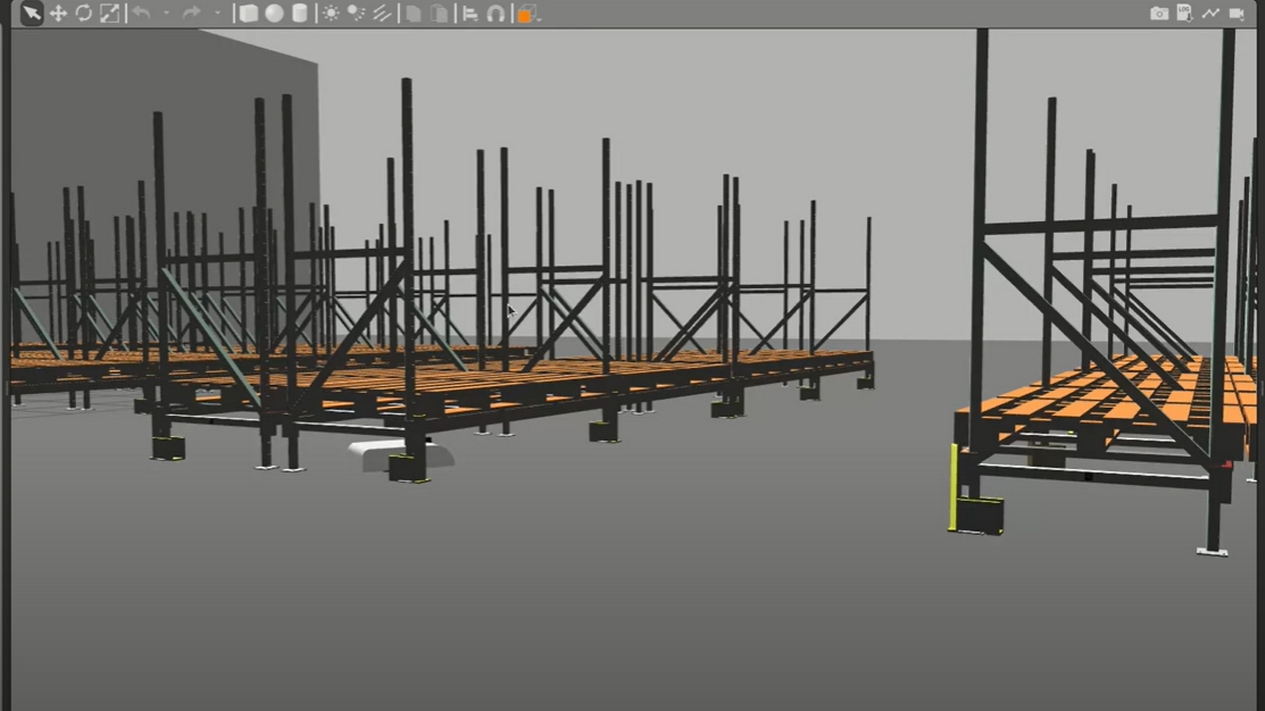
A realistic warehouse environment was developed from drawings and photographs for the testing and validation of Clients’ systems without need for travel and transportation to end user location. The environment contained dynamically reconfigurable fiducial markers on storage racks for use with Client’s imaging system.
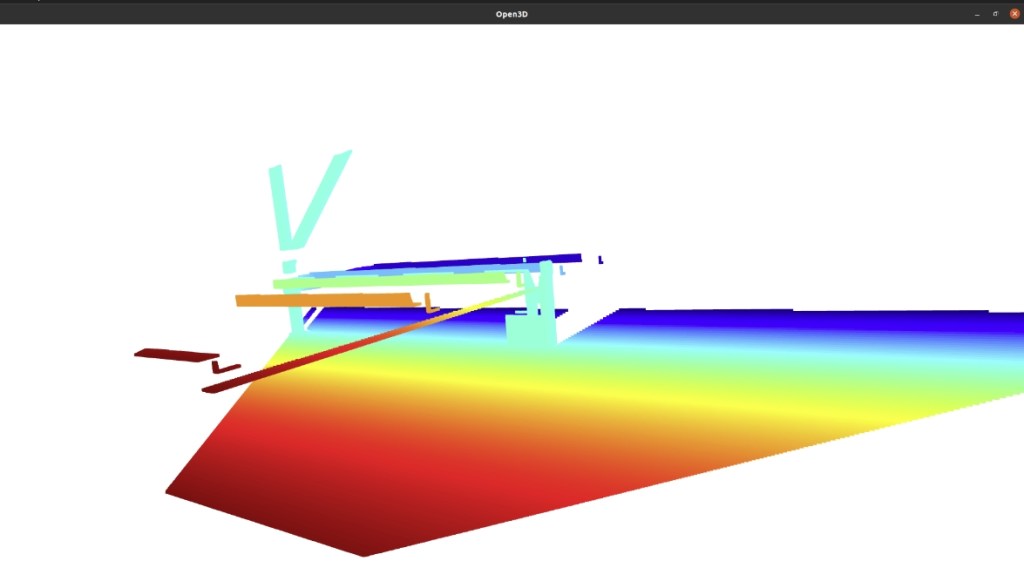
Infrared depth cameras were integrated with Client hardware and software to augment system function in lowlight and restricted conditions. Resulting depth images were converted to point clouds and processed to extract features that were fused with system odometry and other sensory outputs to facilitate localization.
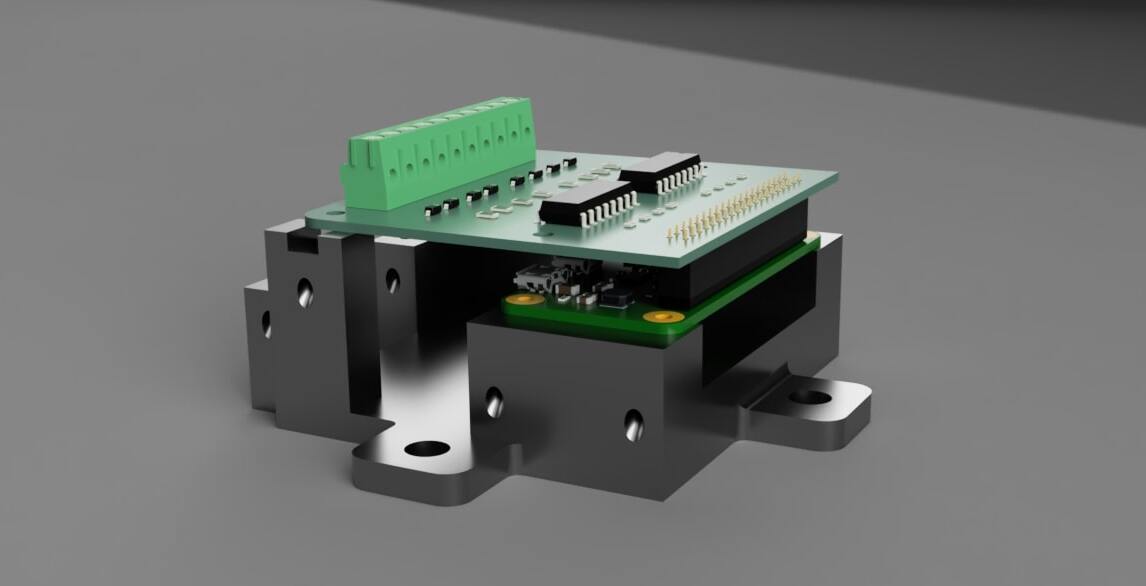
Previously used devices had experienced premature and frequent field failure resulting in significant cost to Client and were not readily available due to supply chain strain. A custom triggerable media player was developed to mitigate the aforementioned issues and provide Client with ability to make modifications in-house.
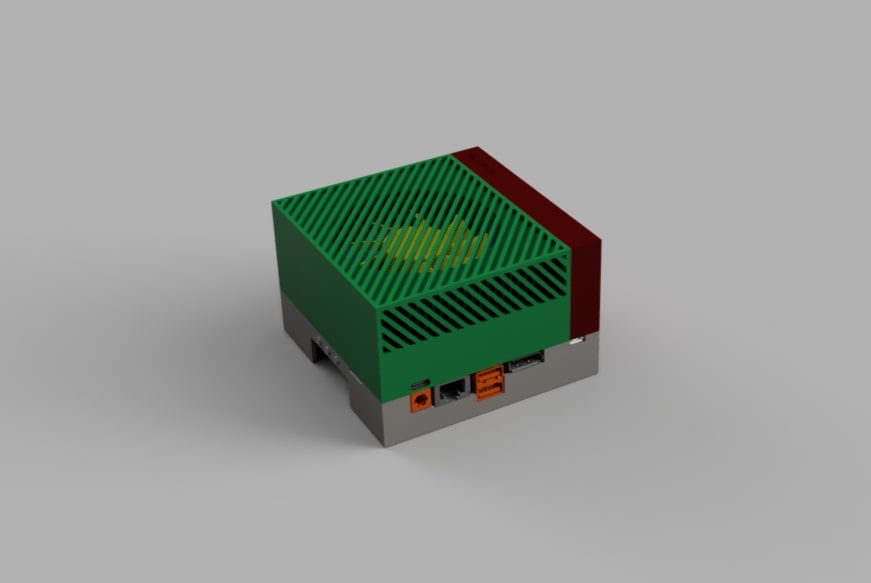
Client had developed vision models for a sporting application and requested production hardware system utilizing Nvidia’s Jetson AGX Orin. Requirements included a non-standard 12V power interface, a robust and waterproof RTK GPS module and associated antenna, GSM connectivity with sufficient uplink and downlink speeds, analog video capture capabilities, and fan-less cooling.
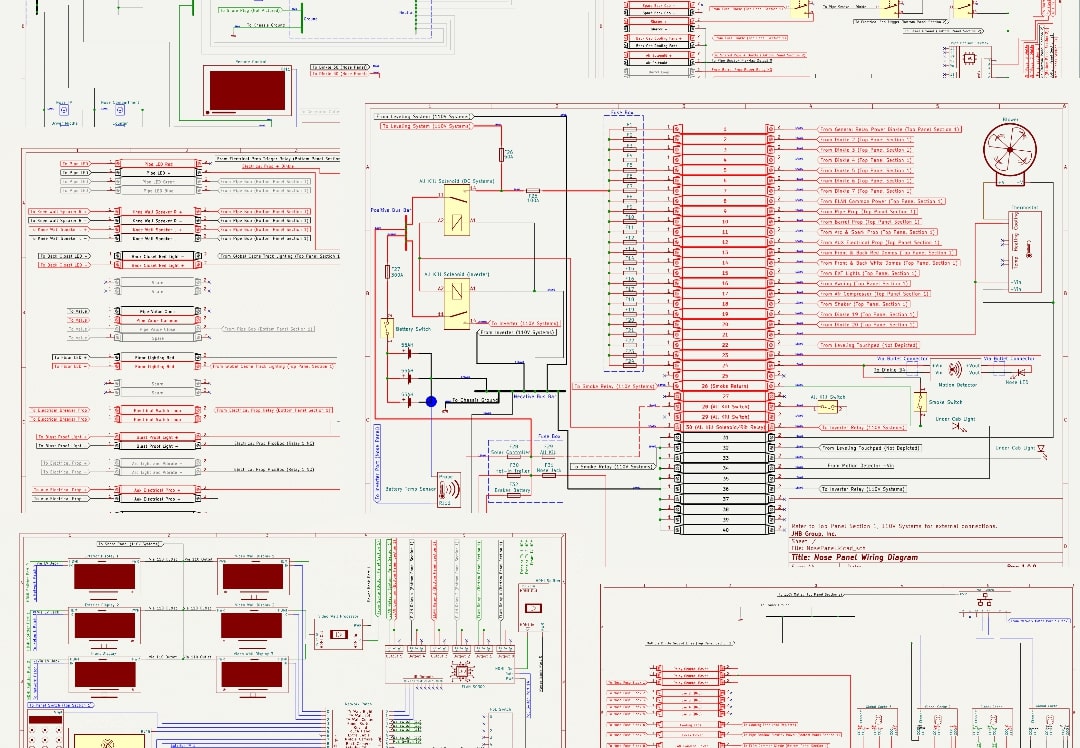
Client systems lacked any substantial documentation. Trailers were largely wired from technician memory. MATR mapped trailers via inspection of physical systems and consolidation of existing hand drawn diagrams. These diagrams will be provided to customers to facilitate troubleshooting. Client will utilize new comprehensive wiring diagrams to improve trailer standardization and limit field failures.
This internal concept explored how embedded sensors and real-time ML inference might offer frontline officers a critical safety net in high-stress engagements. Built around a 9-axis IMU and directional microphone, the wrist-worn prototype was trained to detect and classify the unique audio-kinematic signature of nearby gunfire. The goal: eliminate the delay—or complete absence—of manual backup requests after shots are fired. With an automatic escalation path to dispatch, the system aimed to buy time when seconds matter most. Field recordings, vibration profiles, and feature extraction informed a lightweight model capable of running locally on the device.